Excavation work — a new retaining wall, a pool installation, levelling a backyard, or digging footings — leaves you with something most general skip bins aren't built for: soil. It's dense, it's heavy, and it needs its own disposal stream.
Why soil needs a dedicated bin
Soil is far heavier per cubic metre than household or general waste, which means an ordinary-sized skip filled with soil can exceed safe weight limits well before it looks full. That's why soil bins are capped smaller than other waste types regardless of how much room is technically left in them.
What counts as "clean" soil
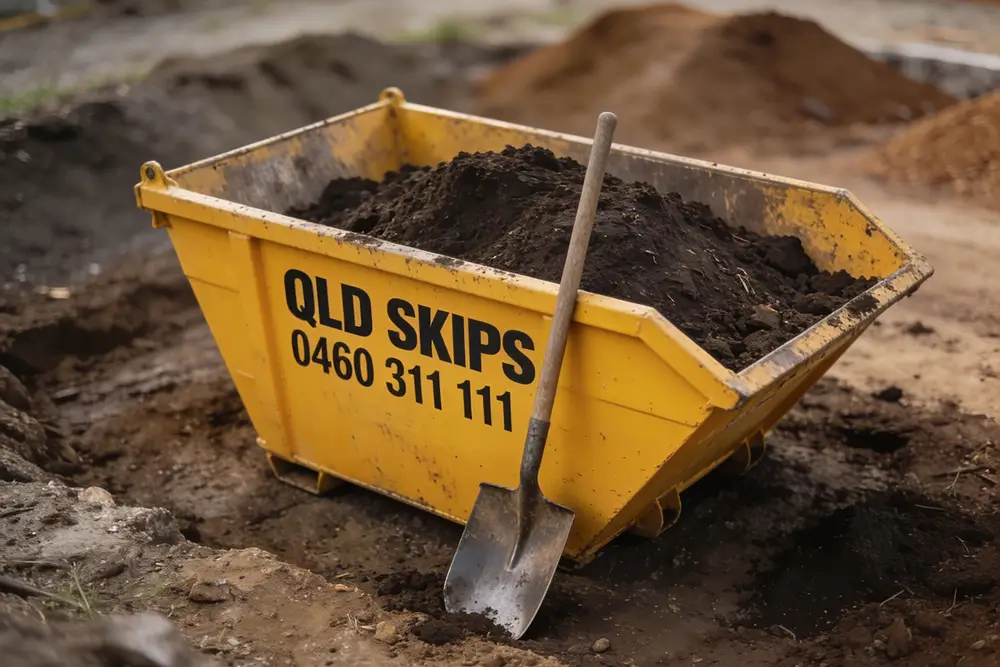
For a soil skip, the rule is strict: 100% uncontaminated soil or dirt only. That means:
- Allowed: clean soil and dirt from digging or excavation.
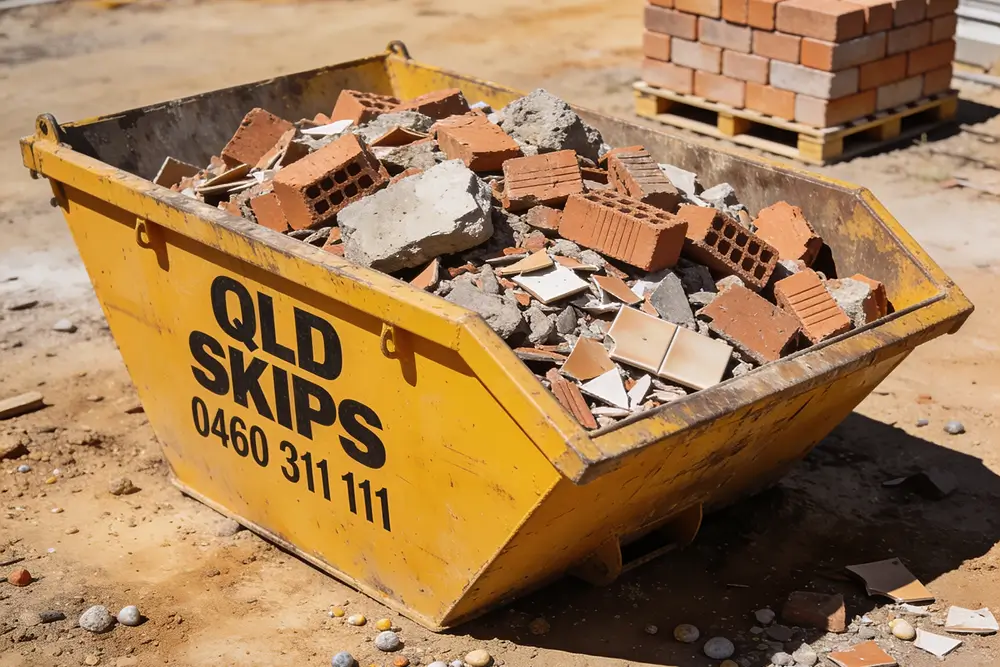
- Not allowed: turf and other contaminants, hard fill, concrete, bricks, rocks, or any garden/green waste mixed through.
If your excavation has turned up a mix of soil, rubble, and old garden beds, that's not a clean soil load — it needs sorting first, or a different bin type (a concrete skip for rubble, a green waste skip for garden material) alongside your soil bin.
Sizing: why "bigger" isn't always the answer
Because of weight restrictions, the maximum size for a 100% soil bin is capped at around 4 cubic metres. If your job produces more soil than that, the practical solution isn't a single oversized bin — it's a combination of bins, delivered and swapped as needed. This keeps each load within safe weight limits and avoids the load-refusal risk that comes with trying to squeeze a big excavation into one bin.
Common soil-removal scenarios
- Pool excavation: typically the largest volume of soil removal for a residential property — plan for multiple bin swaps rather than one large bin.
- Retaining walls and landscaping: usually a more modest, single-bin job, but check whether old turf or garden bed material is mixed in before booking a soil-only stream.
- Footings and foundation work: often smaller volumes but can include clay or rubble mixed in — worth confirming with your provider before the bin arrives.
Booking tips
- Estimate volume before you book — it's easier to add a second bin than to have one refused for overweight.
- Keep the load genuinely 100% soil; contamination (turf, rubble, green waste) can mean the load isn't accepted as booked.
- If you're not sure whether your job needs one bin or several, ask — providers would rather quote it correctly upfront than deal with a refused pickup.
Need a soil bin for your next excavation? Book a soil skip online or get in touch with QLD Skips Hire for advice on sizing your job correctly.